Your 20s were powered by mystery stamina. In your 30s? Suddenly, your back hurts from dancing, and you need two naps just to recover from pre-drinks. The good news? You can still rave, but it’s about dancing smarter, not harder.
Before we dive in: this blog does not encourage illegal substance use. What we do promote is harm reduction — making things as safe as possible if you choose to party. Think of this as your rave survival guide, not a green light.
Want some science instead of just vibes? Check out this review on MDMA comedown strategies and harm reduction research.
How the Body Changes with Age
By your 30s, the rave recovery game shifts. Science says:
- Slower Recovery: Your metabolism and cellular repair systems slow down, which means hangovers, comedowns, and muscle soreness hit harder and last longer. That “one day off” now looks more like a weekend in bed.
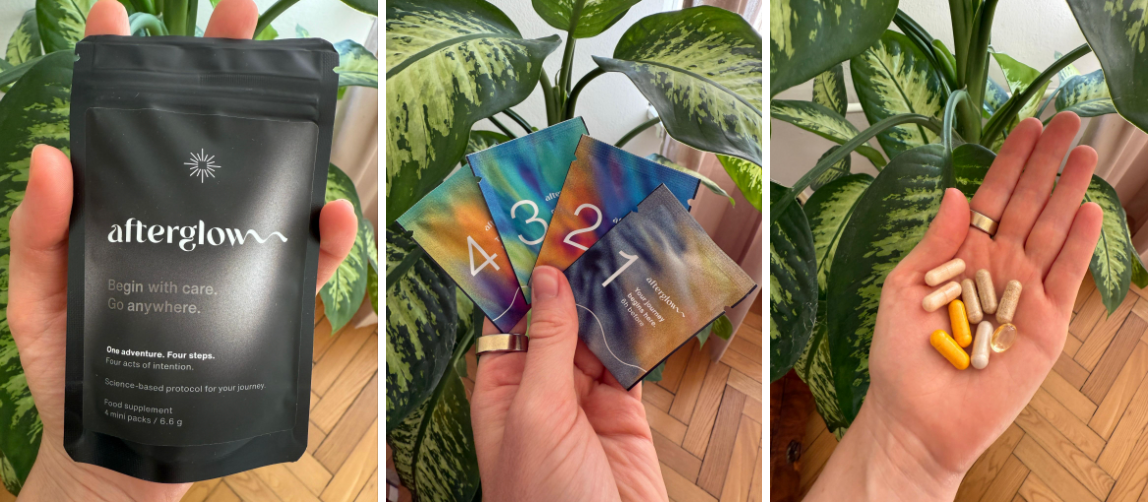
💡 Handy supplement: The Afterglow protocol full of electrolytes and 20+ natural ingredients supporting you before, during and after the rave. - Lower Resilience to Sleep Deprivation: Staying up until sunrise isn’t just tiring — it disrupts hormones like melatonin and cortisol, making it harder to reset your sleep cycle. Hello, 3-day zombie mode.
💡 Handy ingredient: Melatonin – helps reset sleep cycles. - Neurochemical Sensitivity: With age, your brain becomes less forgiving when serotonin and dopamine reserves are depleted. That’s why the post-rave blues (serotonin crash) often feel sharper in your 30s than they did in your 20s.
💡 Handy ingredient: L-tryptophan – serotonin’s raw material. - Oxidative Stress Adds Up: Over time, your body accumulates more oxidative damage. When substances increase free radicals, your cells don’t bounce back as quickly without extra help from antioxidants.
💡 Handy ingredient: Antioxidants (Vitamin C, E) – neutralize oxidative stress. - Liver & Kidneys Work Harder: These detox machines slow a bit with age. Substances, alcohol, and poor hydration make them work overtime.
💡 Handy ingredient: L-cysteine – supports liver detox and protects cells.
👉 Translation: your body isn’t broken — just more high-maintenance. Give it the right fuel and it’ll still light up the dancefloor.
Common Post-Rave Problems You’ll Recognize
- Oxidative Stress: That’s your cells screaming, “Please stop frying us!” after hours of stimulation.
- Sleep Problems: Nothing says “30s raver” like staring at the ceiling at 5 a.m. with birds chirping outside.
- Serotonin Crash: Aka “Suicidal Tuesday” — when your brain’s happy juice tanks, leaving you sad, moody, and questioning all your life choices.
- Brain fog: The mental haze where remembering your email password feels like solving a quantum physics equation.
- Neurotoxicity Risks: Some substances (especially at high doses or frequent use) can be harsh on neurons, potentially leading to longer-term memory or mood issues. That’s why moderation and protective supplements (like antioxidants and L-cysteine) matter.
Recovery Hacks That Actually Work
Here’s where your supplemental squad enters:
- L-tryptophan: A precursor to serotonin — helps rebuild what you burned through. Have it at least 24 hours after you wake up from the rave.
- Melatonin: The sleep fairy in capsule form. Perfect when your body wants to rave but your brain wants to rest.
- L-cysteine: Supports your liver in processing toxins, making the day-after a little less brutal.
What is the right timing and dosage?
If you don’t want to care that much about the right dosage and blend those by yourself, get the Afterglow protocol enriched with 20+ natural ingredients supporting you before, during and after the whole experience.
Fueling Smarter Before You Go: What to Load Up On?
Think of this section as your body’s backstage pass:
- Electrolytes: Hydration isn’t just about water. You need sodium, potassium, magnesium — the crew that keeps your muscles firing and prevents the dreaded cramp shuffle.
- Vitamins & Minerals: Your body burns through these faster than you burn through playlists. B-complex vitamins, magnesium, and zinc all support energy and recovery.
- Antioxidants: The cleanup crew. Vitamin C, E, and foods like blueberries can help reduce oxidative stress after your rave marathon.
Substance Safety: Minimizing the Risks
- Test before you ingest — Kits are cheap, ambulances are not.
- Pace yourself — You’re not 21 anymore; you don’t need to win “fastest to peak.”
- Mixing = Mayhem — Combining alcohol, weed, and stimulants is like letting your drunk uncle DJ. Chaos.
Sustainable Raving: Keeping the Party Alive in Your 30s & Beyond
- Pick your battles: Not every rave deserves your knees.
- Balance: Sleep, nutrition, and work-life sanity are the secret sauce to keep raving for decades.
- Health > hype: Nobody remembers the 3rd afterparty anyway.
Try Grounding Techniques
Practice mindfulness, body scans, breathwork (e.g., 4-7-8 sec. breathing), or spend time in the fresh air in nature to feel re-centered.
Here’s a quick guide to practicing mindfulness whenever you feel overwhelmed during a comedown. Pick one or two and try it out:
- Ground with senses – Focus on 5 things you see, 4 feel, 3 hear, 2 smell, 1 taste.
- Label emotions – “This is sadness.”, “This is fatigue.” Name it, make it simple, recognize the pattern, accept it for now, don’t fight it.
- Repeat a mantra – Like “This will pass” or “I’m safe and recovering.”
Or you can try 🫁 4-7-8 breathing technique:
- Inhale through your nose for 4 seconds
- Hold your breath for 7 seconds
- Exhale slowly through your mouth for 8 seconds
- Repeat the cycle 4 times (or more if needed)
What else can help you to survive intensive nights out? Check the Afterglow Protocol.
Frequently Asked Questions (FAQ)
Q1: Is it safe to rave after 30?
Yes! But your body isn’t the same as it was in your 20s. Recovery takes longer, and things like hydration, nutrition, and sleep matter more. With smarter choices, you can keep dancing well into your 40s.
Q2: What are the best supplements for post-rave recovery?
Electrolytes, antioxidants, and vitamins are essentials. Ingredients like L-tryptophan (serotonin support), Melatonin (sleep aid), and L-cysteine (liver protection) can also help reduce aftereffects.
Q3: How do I deal with brain fog after partying?
Brain fog happens due to lack of sleep, dehydration, and neurotransmitter dips. Support your body with B-complex vitamins, magnesium, and light movement like yoga or stretching.
Q4: Why does the comedown feel worse in my 30s?
Age affects recovery. Metabolism slows, oxidative stress builds up faster, and serotonin levels take longer to replenish. That’s why supplements and rest play a bigger role after 30.
Q5: How can I reduce the risk of a serotonin crash?
Spacing out your rave nights, testing substances, pacing your intake, and adding L-tryptophan and antioxidants to your recovery routine can make the crash gentler.
Q6: What should I eat after a rave?
Go for nutrient-dense foods: bananas with nut butter (potassium + healthy fats), Greek yogurt with berries (protein + antioxidants), or trail mix (minerals + energy). Avoid junk food overload — it slows recovery.
Q7: How do I avoid post-rave depression or “Suicidal Tuesday”?
Stay hydrated, get enough sleep, and lean on your community. Gentle exercise, journaling, and adaptogens like Rhodiola Rosea may also buffer mood dips.
Q8: How can I keep raving sustainable in my 30s?
Pick your parties wisely, prioritize recovery days, and don’t chase every afterparty. Balance rave life with work, sleep, and nutrition — health over hype keeps the fun going longer.